Crimean Tatars: From Soviet Genocide to Putin's Conquest
Brian Glyn Williams
Paperback
9781849045186
The Russian annexation of the Crimea in March 2014 focused the world’s attention on the Peninsula in ways not seen since the Crimean War. Thousands of Crimean Tatars clashed with pro-Russian militiamen in Simferopol, while Moscow has in turn stoked fears of jihadi terrorism among the overwhelmingly Muslim Tatars as retrospective justification for its invasion. The key thread in this book is the Crimean Tatars’ changing relationship with their Vatan (homeland) and how this interaction with their natal territory changed under the Ottoman Sultans, Russian Tsars, Soviet Commissars, post-Soviet Ukrainian authorities and now Putin’s Russia. Taking as its starting point the 1783 Russian conquest of the independent Tatar state known as the Crimean Khanate, Williams explains how the peninsula’s native population, with ethnic roots among the Goths, Kipchak Turks and Mongols, was scattered across the Ottoman Empire. He also traces their later emigration and the radical transformation of this conservative tribal-religious group into a modern, politically mobilised, secular nation under Soviet rule. Stalin’s genocidal deportation of the Crimean Tatars in 1944 to Uzbekistan and their almost messianic return to their cherished ‘Green Isle’ in the 1990s are examined in detail, while the author’s archival investigations are bolstered by his field research among the Crimean Tatar exiles in Uzbekistan and in their samozakhvat (self-seized) squatter camps and settlements in the Crimea.
Product Information
Product Information
Shipping & Returns
Shipping & Returns
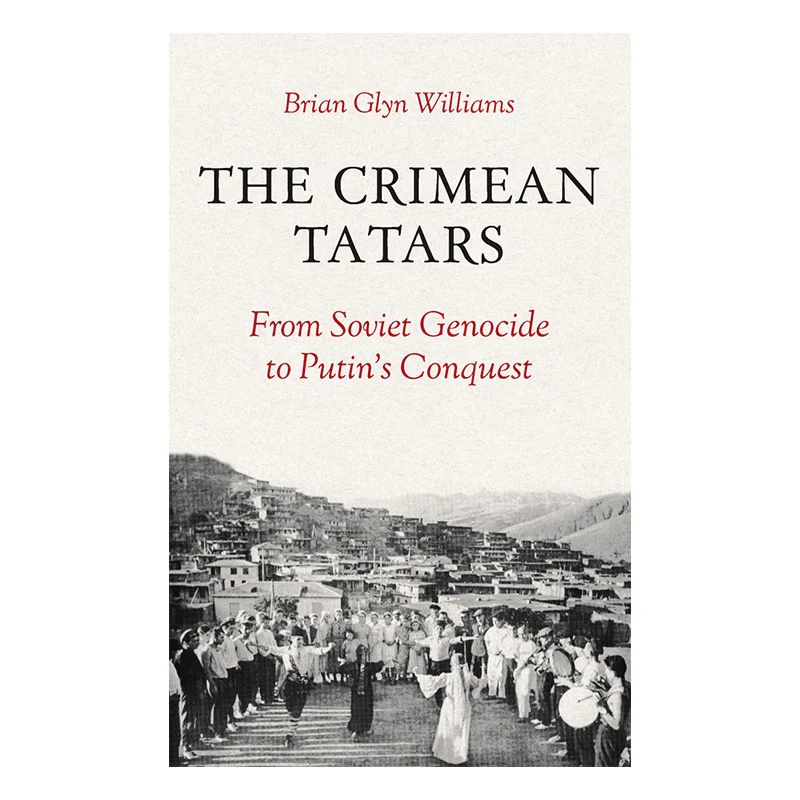
Crimean Tatars: From Soviet Genocide to Putin's Conquest
Crimean Tatars: From Soviet Genocide to Putin's Conquest
Brian Glyn Williams
Paperback
9781849045186
The Russian annexation of the Crimea in March 2014 focused the world’s attention on the Peninsula in ways not seen since the Crimean War. Thousands of Crimean Tatars clashed with pro-Russian militiamen in Simferopol, while Moscow has in turn stoked fears of jihadi terrorism among the overwhelmingly Muslim Tatars as retrospective justification for its invasion. The key thread in this book is the Crimean Tatars’ changing relationship with their Vatan (homeland) and how this interaction with their natal territory changed under the Ottoman Sultans, Russian Tsars, Soviet Commissars, post-Soviet Ukrainian authorities and now Putin’s Russia. Taking as its starting point the 1783 Russian conquest of the independent Tatar state known as the Crimean Khanate, Williams explains how the peninsula’s native population, with ethnic roots among the Goths, Kipchak Turks and Mongols, was scattered across the Ottoman Empire. He also traces their later emigration and the radical transformation of this conservative tribal-religious group into a modern, politically mobilised, secular nation under Soviet rule. Stalin’s genocidal deportation of the Crimean Tatars in 1944 to Uzbekistan and their almost messianic return to their cherished ‘Green Isle’ in the 1990s are examined in detail, while the author’s archival investigations are bolstered by his field research among the Crimean Tatar exiles in Uzbekistan and in their samozakhvat (self-seized) squatter camps and settlements in the Crimea.
Original: $38.95
-70%$38.95
$11.69Product Information
Product Information
Shipping & Returns
Shipping & Returns
Description
Brian Glyn Williams
Paperback
9781849045186
The Russian annexation of the Crimea in March 2014 focused the world’s attention on the Peninsula in ways not seen since the Crimean War. Thousands of Crimean Tatars clashed with pro-Russian militiamen in Simferopol, while Moscow has in turn stoked fears of jihadi terrorism among the overwhelmingly Muslim Tatars as retrospective justification for its invasion. The key thread in this book is the Crimean Tatars’ changing relationship with their Vatan (homeland) and how this interaction with their natal territory changed under the Ottoman Sultans, Russian Tsars, Soviet Commissars, post-Soviet Ukrainian authorities and now Putin’s Russia. Taking as its starting point the 1783 Russian conquest of the independent Tatar state known as the Crimean Khanate, Williams explains how the peninsula’s native population, with ethnic roots among the Goths, Kipchak Turks and Mongols, was scattered across the Ottoman Empire. He also traces their later emigration and the radical transformation of this conservative tribal-religious group into a modern, politically mobilised, secular nation under Soviet rule. Stalin’s genocidal deportation of the Crimean Tatars in 1944 to Uzbekistan and their almost messianic return to their cherished ‘Green Isle’ in the 1990s are examined in detail, while the author’s archival investigations are bolstered by his field research among the Crimean Tatar exiles in Uzbekistan and in their samozakhvat (self-seized) squatter camps and settlements in the Crimea.