Islam, Causality, and Science
Özgür Koca
Paperback, 78 pages
9781009489263
Elements in Islam and Science Series
Perspectives on Reconciliation of Islamic Tradition and Modern Science
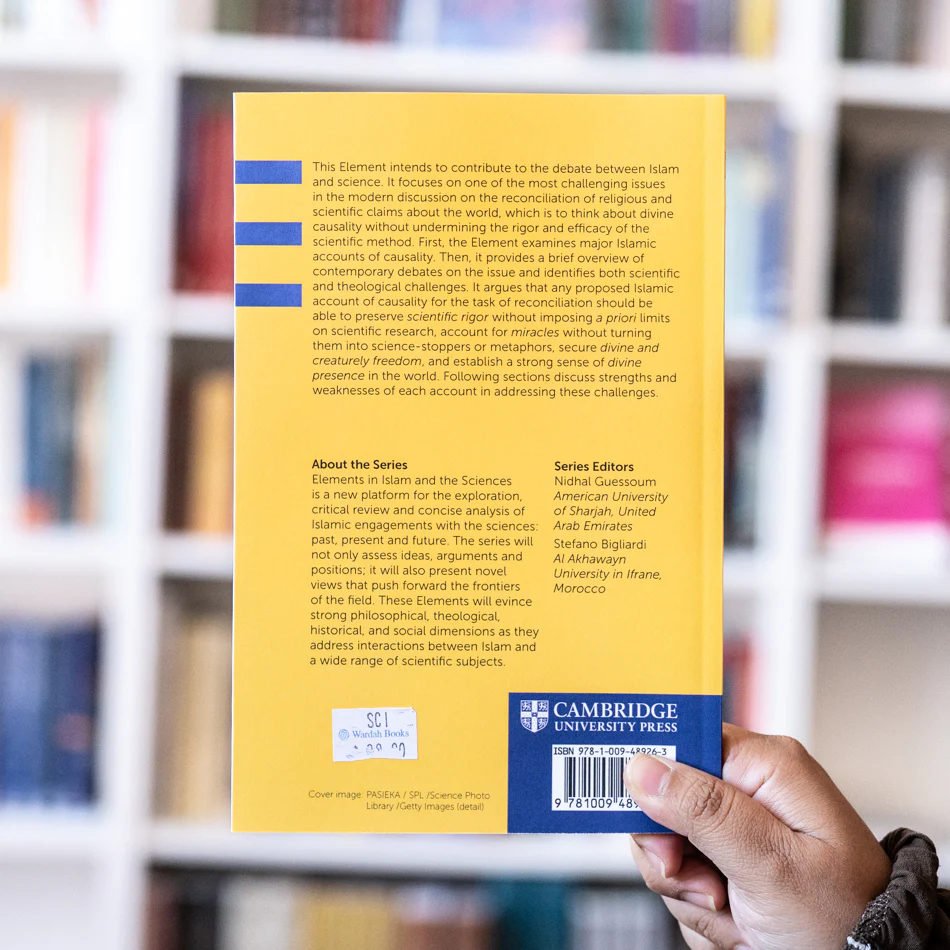
This Element intends to contribute to the debate between Islam and science. It focuses on one of the most challenging issues in the modern discussion on the reconciliation of religious and scientific claims about the world, which is to think about divine causality without undermining the rigor and efficacy of the scientific method. First, the Element examines major Islamic accounts of causality. Then, it provides a brief overview of contemporary debates on the issue and identifies both scientific and theological challenges. It argues that any proposed Islamic account of causality for the task of reconciliation should be able to preserve scientific rigor without imposing a priori limits on scientific research, account for miracles without turning them into science-stoppers or metaphors, secure divine and creaturely freedom, and establish a strong sense of divine presence in the world. Following sections discuss strengths and weaknesses of each account in addressing these challenges.
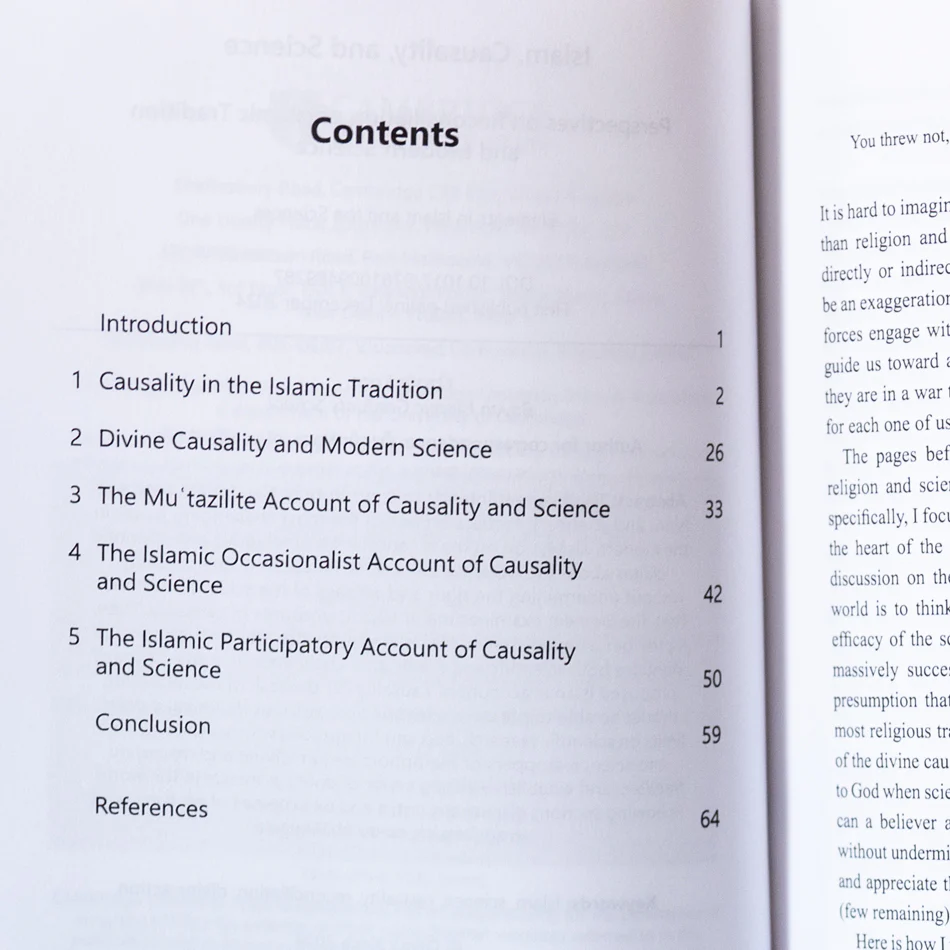
Contents
1. Causality in the Islamic tradition
2. Divine causality and modern science
3. The Muʿtazilite account of causality and science
4. The Islamic occasionalist account of causality and science
5. The Islamic participatory account of causality and science
Product Information
Product Information
Shipping & Returns
Shipping & Returns
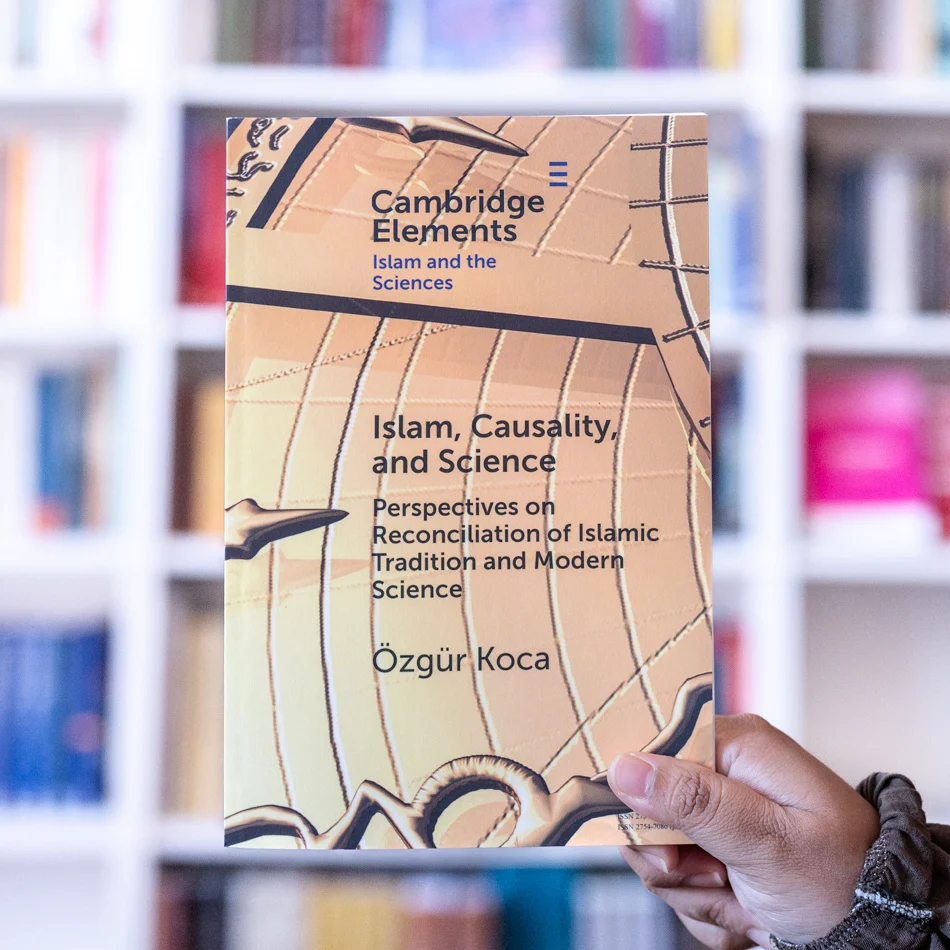
Islam, Causality, and Science
Islam, Causality, and Science
Özgür Koca
Paperback, 78 pages
9781009489263
Elements in Islam and Science Series
Perspectives on Reconciliation of Islamic Tradition and Modern Science
This Element intends to contribute to the debate between Islam and science. It focuses on one of the most challenging issues in the modern discussion on the reconciliation of religious and scientific claims about the world, which is to think about divine causality without undermining the rigor and efficacy of the scientific method. First, the Element examines major Islamic accounts of causality. Then, it provides a brief overview of contemporary debates on the issue and identifies both scientific and theological challenges. It argues that any proposed Islamic account of causality for the task of reconciliation should be able to preserve scientific rigor without imposing a priori limits on scientific research, account for miracles without turning them into science-stoppers or metaphors, secure divine and creaturely freedom, and establish a strong sense of divine presence in the world. Following sections discuss strengths and weaknesses of each account in addressing these challenges.
Contents
1. Causality in the Islamic tradition
2. Divine causality and modern science
3. The Muʿtazilite account of causality and science
4. The Islamic occasionalist account of causality and science
5. The Islamic participatory account of causality and science
Product Information
Product Information
Shipping & Returns
Shipping & Returns
Description
Özgür Koca
Paperback, 78 pages
9781009489263
Elements in Islam and Science Series
Perspectives on Reconciliation of Islamic Tradition and Modern Science
This Element intends to contribute to the debate between Islam and science. It focuses on one of the most challenging issues in the modern discussion on the reconciliation of religious and scientific claims about the world, which is to think about divine causality without undermining the rigor and efficacy of the scientific method. First, the Element examines major Islamic accounts of causality. Then, it provides a brief overview of contemporary debates on the issue and identifies both scientific and theological challenges. It argues that any proposed Islamic account of causality for the task of reconciliation should be able to preserve scientific rigor without imposing a priori limits on scientific research, account for miracles without turning them into science-stoppers or metaphors, secure divine and creaturely freedom, and establish a strong sense of divine presence in the world. Following sections discuss strengths and weaknesses of each account in addressing these challenges.
Contents
1. Causality in the Islamic tradition
2. Divine causality and modern science
3. The Muʿtazilite account of causality and science
4. The Islamic occasionalist account of causality and science
5. The Islamic participatory account of causality and science