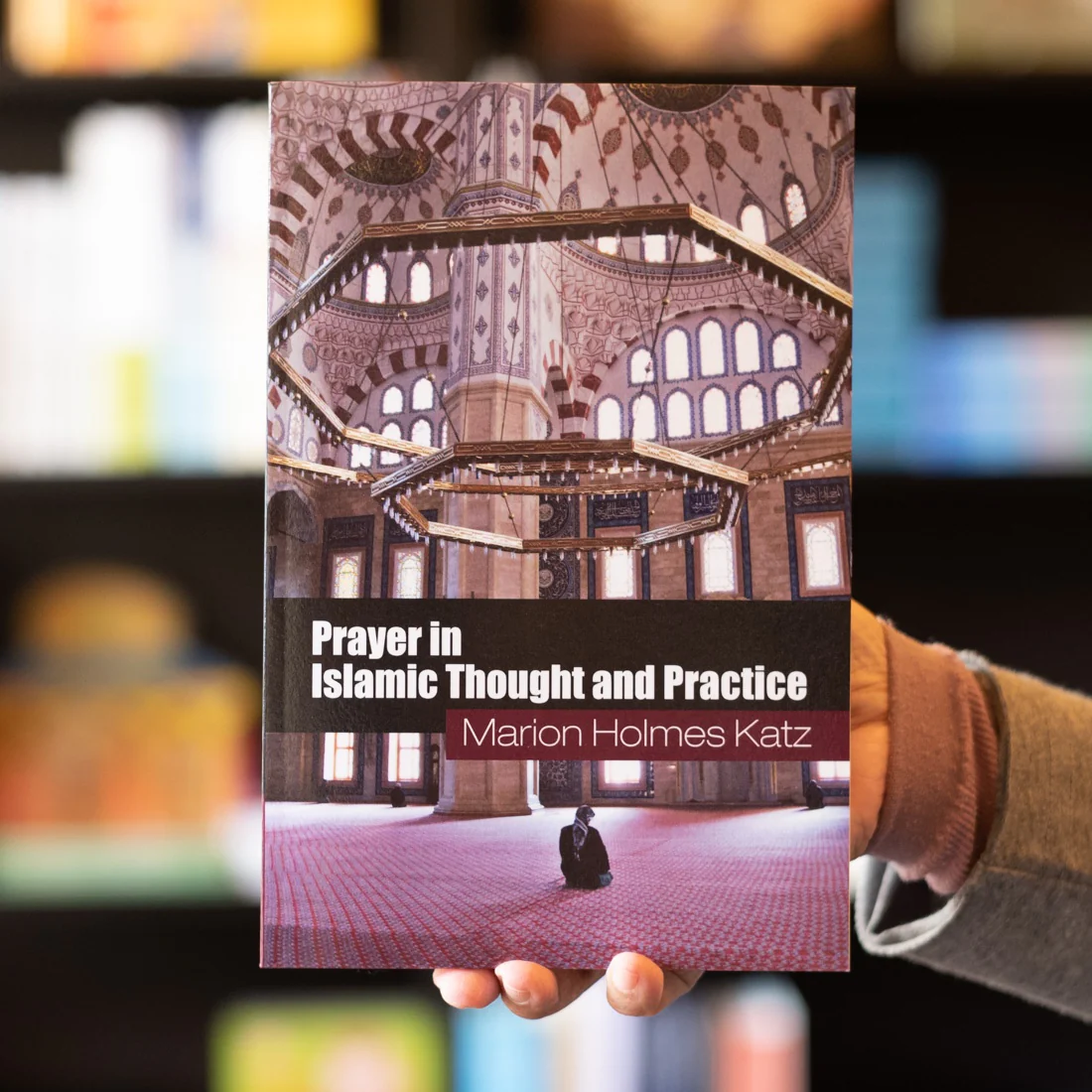
Prayer in Islamic Thought and Practice
Marion Holmes Katz
Paperback, 250 pages
9780521716291
The five daily prayers (Salāt) that constitute the second pillar of Islam deeply pervade the everyday life of observant Muslims. Until now, however, no general study has analyzed the rules governing Salāt, the historical dimensions of its practice and the rich variety of ways that it has been interpreted within the Islamic tradition. Marion Holmes Katz's richly textured book offers a broad historical survey of the rules, values and interpretations relating to Salāt. This innovative study on the subject examines the different ways in which prayer has been understood in Islamic law, Sufi mysticism and Islamic philosophy. Katz's book also goes beyond the spiritual realm to analyze the political dimensions of prayer, including scholars' concerns about the righteousness and piety of rulers. The last chapter raises significant issues around gender roles, including the question of women's participating in and leading public worship.
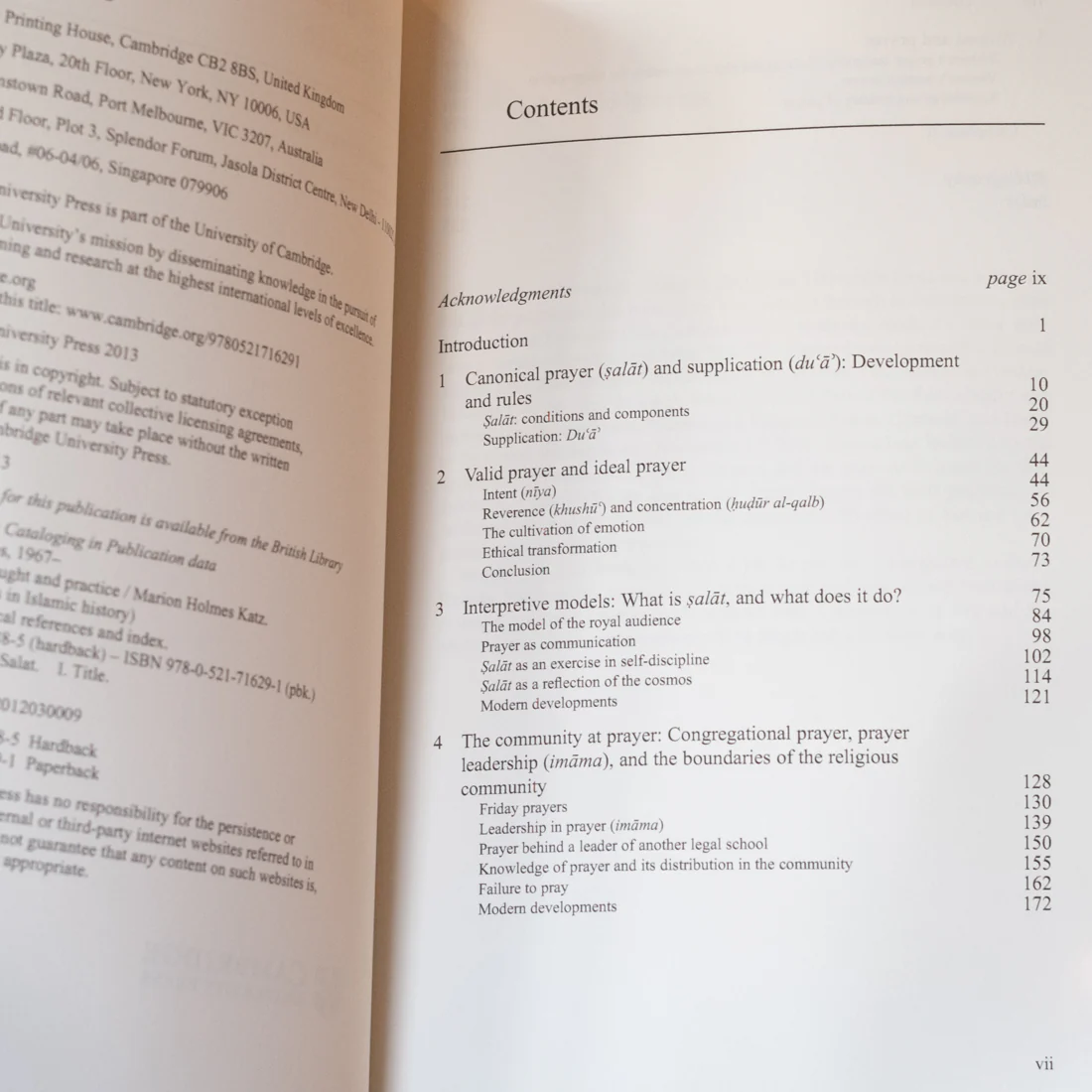
Contents
1. Canonical prayer (Salāt) and supplication (du'ā'): development and rules
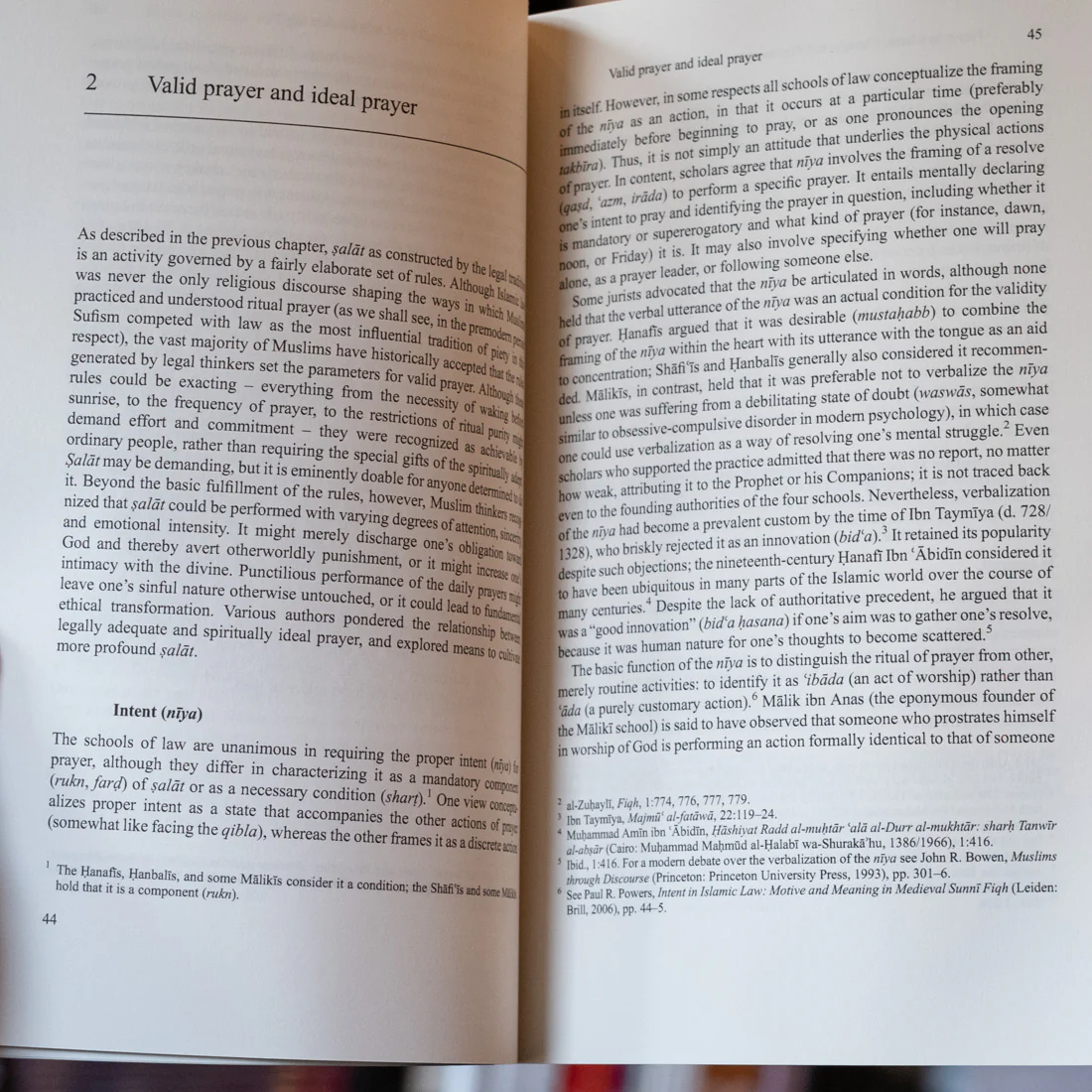
2. Valid prayer and ideal prayer
3. Interpretive models: what is Salāt, and what does it do?
4. The community at prayer: congregational prayer, prayer leadership (imāma), and the boundaries of the religious community
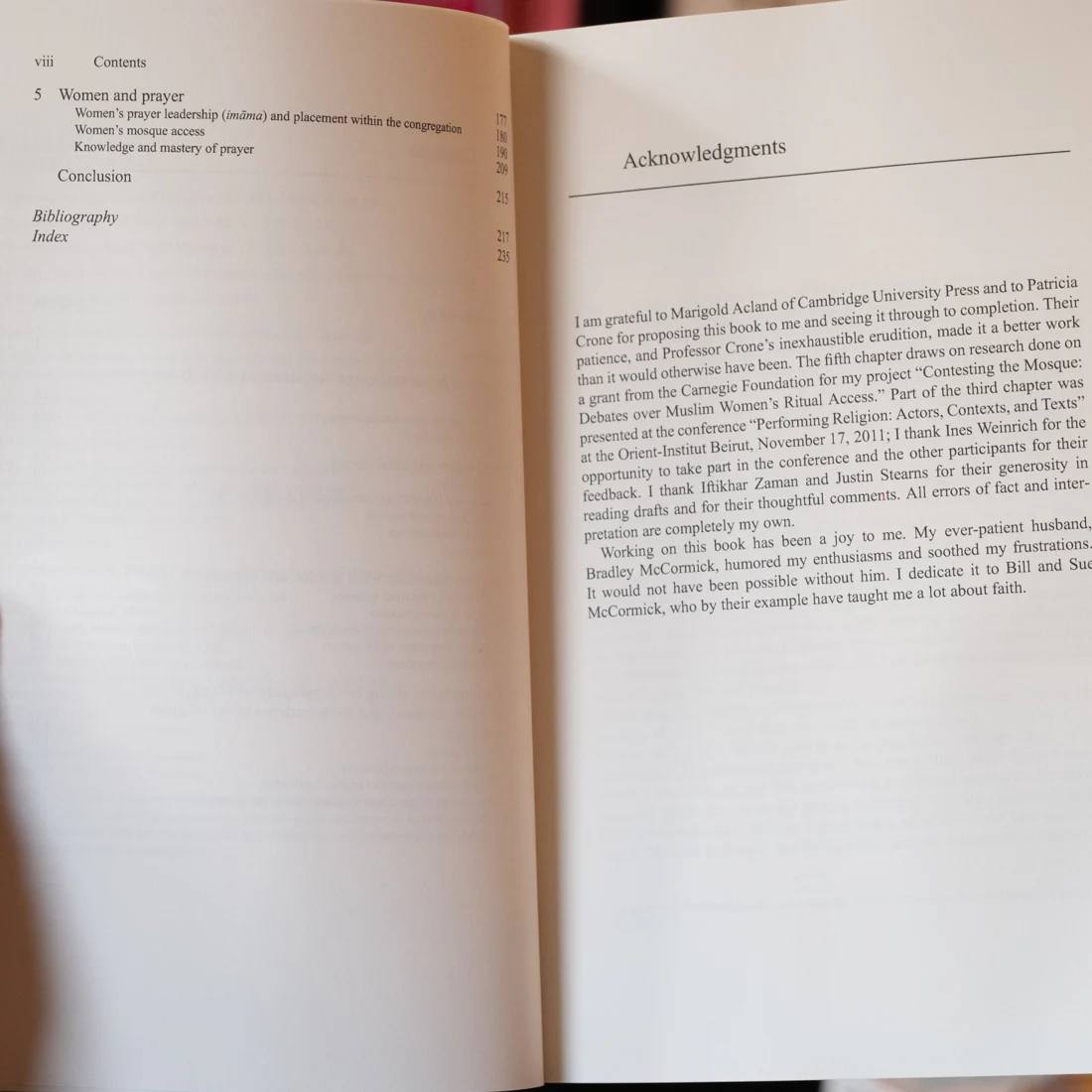
5. Women and prayer
Product Information
Product Information
Shipping & Returns
Shipping & Returns

Prayer in Islamic Thought and Practice
Prayer in Islamic Thought and Practice
Marion Holmes Katz
Paperback, 250 pages
9780521716291
The five daily prayers (Salāt) that constitute the second pillar of Islam deeply pervade the everyday life of observant Muslims. Until now, however, no general study has analyzed the rules governing Salāt, the historical dimensions of its practice and the rich variety of ways that it has been interpreted within the Islamic tradition. Marion Holmes Katz's richly textured book offers a broad historical survey of the rules, values and interpretations relating to Salāt. This innovative study on the subject examines the different ways in which prayer has been understood in Islamic law, Sufi mysticism and Islamic philosophy. Katz's book also goes beyond the spiritual realm to analyze the political dimensions of prayer, including scholars' concerns about the righteousness and piety of rulers. The last chapter raises significant issues around gender roles, including the question of women's participating in and leading public worship.
Contents
1. Canonical prayer (Salāt) and supplication (du'ā'): development and rules
2. Valid prayer and ideal prayer
3. Interpretive models: what is Salāt, and what does it do?
4. The community at prayer: congregational prayer, prayer leadership (imāma), and the boundaries of the religious community
5. Women and prayer
Product Information
Product Information
Shipping & Returns
Shipping & Returns
Description
Marion Holmes Katz
Paperback, 250 pages
9780521716291
The five daily prayers (Salāt) that constitute the second pillar of Islam deeply pervade the everyday life of observant Muslims. Until now, however, no general study has analyzed the rules governing Salāt, the historical dimensions of its practice and the rich variety of ways that it has been interpreted within the Islamic tradition. Marion Holmes Katz's richly textured book offers a broad historical survey of the rules, values and interpretations relating to Salāt. This innovative study on the subject examines the different ways in which prayer has been understood in Islamic law, Sufi mysticism and Islamic philosophy. Katz's book also goes beyond the spiritual realm to analyze the political dimensions of prayer, including scholars' concerns about the righteousness and piety of rulers. The last chapter raises significant issues around gender roles, including the question of women's participating in and leading public worship.
Contents
1. Canonical prayer (Salāt) and supplication (du'ā'): development and rules
2. Valid prayer and ideal prayer
3. Interpretive models: what is Salāt, and what does it do?
4. The community at prayer: congregational prayer, prayer leadership (imāma), and the boundaries of the religious community
5. Women and prayer